
Community Engagement Fellowships
Overview
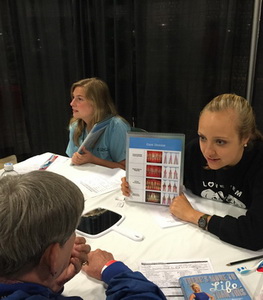 The Community Engagement Fellowship program awards a maximum of eight fellowships of up to $2,500 each year for engagement or engaged scholarship projects that are responsive to community priorities and have an academic connection. Returning, full-time graduate and professional students at UNC-Chapel Hill are eligible to apply. Fellows work in collaboration with community partners and faculty mentors who are familiar with their topics or geographic areas, while fellows are responsible for the major planning and implementation of their projects. The fellowships run from March through November.
Read about 2017 Community Engagement Fellow Sonny Kelly!
 Fellowship Requirements
In addition to project completion, fellows are expected to meet the following requirements: attend four seminars (March through November) hosted by the Center on relevant topics, complete the IRB review process if necessary (guide to IRB process) and submit a mid-year progress report as well as a final report.
Each project must include a community partner and a UNC faculty mentor who utilize their expertise to advise the fellow in developing and implementing a successful project. The community partner should be consulted during the beginning stages of project planning. Their role may include identifying and providing data about community needs, population, history and best practices, recommending resources, and planning for project sustainability. The role of the faculty mentor may include discussing research to inform project planning and connecting fellows with appropriate resources.
Submission Guidelines and Timeline
Online application submissions require a project proposal, sustainability plan, budget, applicant resume(s) as well as a letter of endorsement from a faculty mentor and another from a community partner.
Applications for the 2024 Community Engagement Fellowship are open November 20, 2023 through February 1, 2024. Apply online through the CCPS Application and Nomination Portal.
Applicants submitting proposals with an environmental focus will also be considered for the named Mingma Norbu Sherpa Community Engagement Fellowship.
 International Travel Restrictions
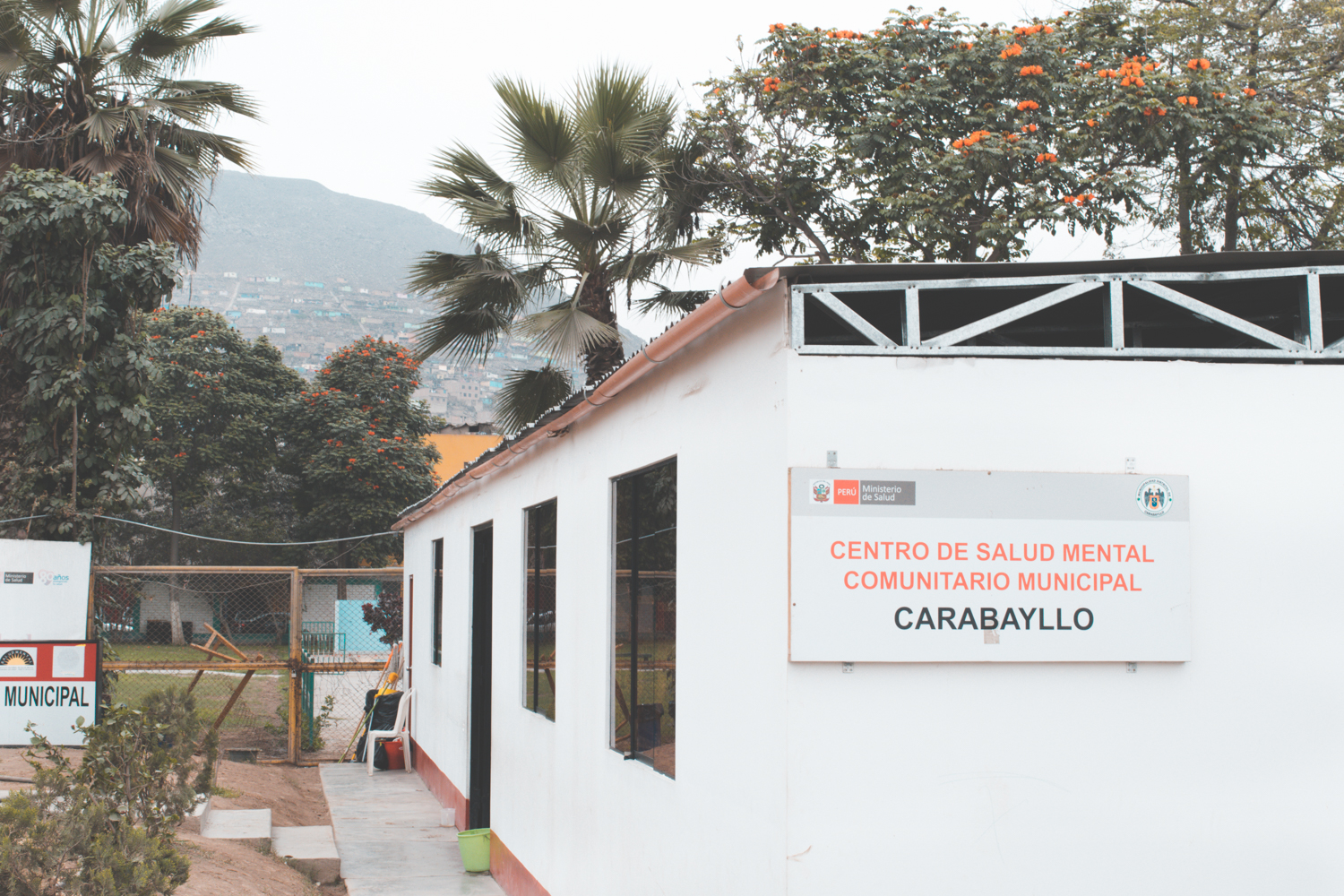
Graduate students intending to do projects that involve international travel should be aware of policies outlined on the university’s travel policy page. Applicants to the Community Engagement Fellowship will need to receive relevant approvals before receiving fellowship funds.
About Engagement and Engaged Scholarship
For more information about engagement and engaged scholarship, visit Resources and Support.